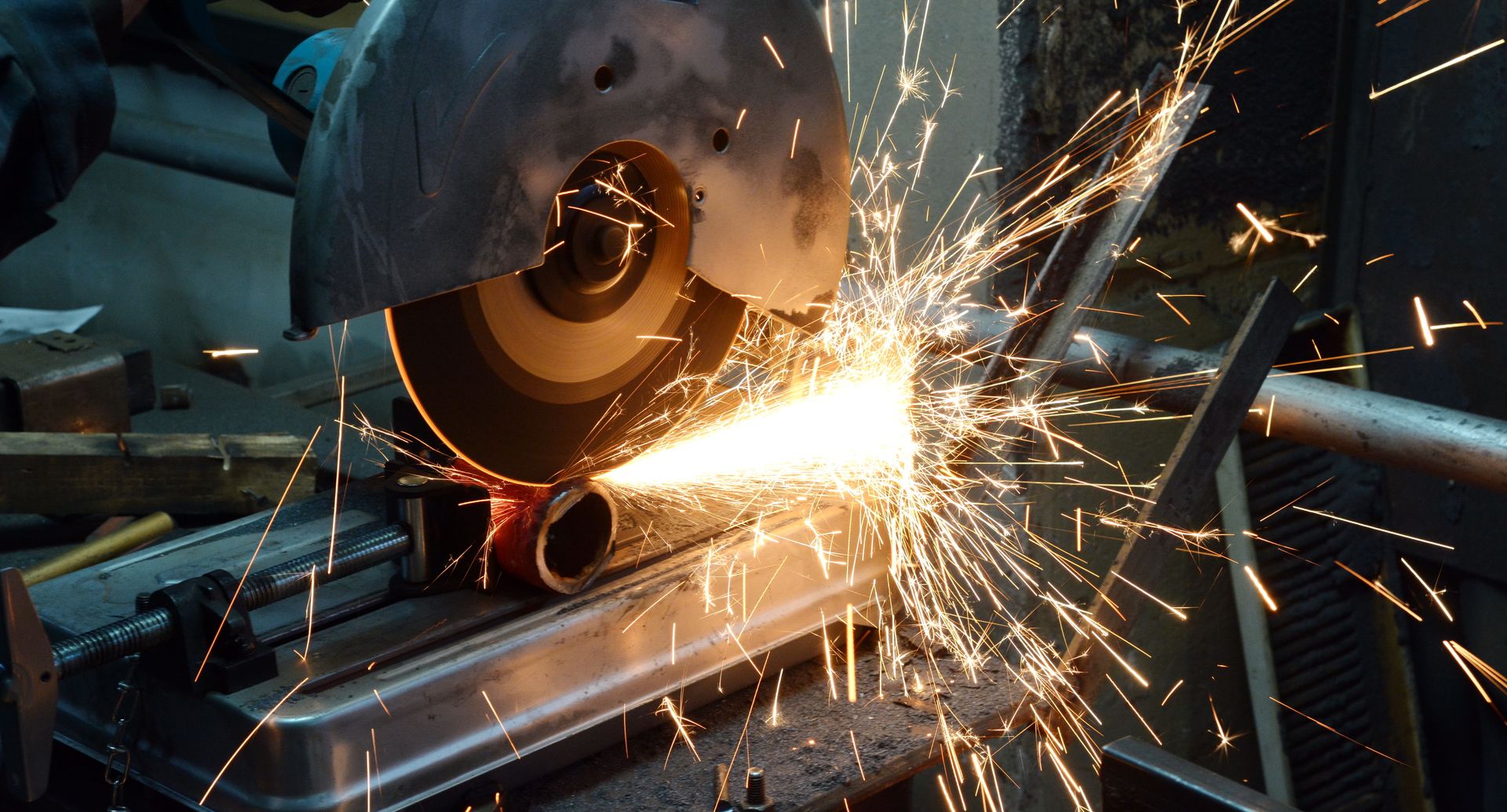
In the world of machining and manufacturing, the cutting tool is one of the most important components for shaping, forming, and removing material from workpieces. The performance of a cutting tool depends not only on its geometry and sharpness but also on the material it is made from. cutting tool materials must withstand high mechanical stresses, extreme temperatures, and continuous friction while maintaining their hardness and edge sharpness.
This article explores the properties, types, and applications of common cutting tool materials, helping you understand how they are selected for specific machining tasks.
1. Key Properties of Cutting Tool Materials
To perform effectively, cutting tool materials must possess certain key characteristics:
- Hardness at High Temperatures
Cutting generates significant heat due to friction between the tool and workpiece. A good cutting tool material must retain its hardness even at elevated temperatures (hot hardness). - Wear Resistance
The material must resist abrasion and gradual wear to maintain dimensional accuracy and surface finish. - Toughness
Tools should withstand sudden shocks and impact without chipping or breaking. - Thermal Conductivity
Good heat dissipation minimizes the risk of tool failure due to overheating. - Chemical Stability
The material should resist oxidation and chemical reactions with the workpiece material.
2. Common Cutting Tool Materials
a. High-Speed Steel (HSS)
- Overview: An alloy of steel containing tungsten, molybdenum, chromium, and vanadium.
- Advantages:
- Tough and shock-resistant.
- Easy to sharpen and regrind.
- Suitable for a wide range of applications.
- Limitations:
- Lower cutting speeds compared to carbides and ceramics.
- Applications: Drills, taps, milling cutters, and reamers.
b. Cemented Carbide
- Overview: Composed of tungsten carbide particles bonded with cobalt.
- Advantages:
- Extremely hard and wear-resistant.
- Can operate at higher cutting speeds than HSS.
- Maintains hot hardness.
- Limitations:
- More brittle than HSS, prone to chipping if misused.
- Applications: Turning inserts, milling tools, and high-speed cutting operations.
c. Ceramics
- Overview: Made from aluminum oxide (Al₂O₃) or silicon nitride (Si₃N₄).
- Advantages:
- Exceptional hot hardness and wear resistance.
- Ideal for high-speed finishing of hardened steels.
- Limitations:
- Very brittle, unsuitable for interrupted cuts.
- Applications: High-speed finishing, hard turning, and cutting cast iron.
d. Cubic Boron Nitride (CBN)
- Overview: Second only to diamond in hardness.
- Advantages:
- Extremely wear-resistant.
- Excellent for cutting hardened steels and superalloys.
- Limitations:
- Very expensive.
- Not suitable for soft materials.
- Applications: Precision machining of hardened tool steels, finishing operations.
e. Diamond
- Overview: The hardest known material; available in natural or synthetic form (PCD – polycrystalline diamond).
- Advantages:
- Ultimate wear resistance and thermal conductivity.
- Produces excellent surface finishes.
- Limitations:
- Reacts chemically with iron at high temperatures, so unsuitable for ferrous metals.
- Applications: Machining non-ferrous metals, composites, and plastics.
f. Coated Tools
- Overview: Cutting tools with a thin layer of coating such as Titanium Nitride (TiN), Titanium Carbonitride (TiCN), or Aluminum Titanium Nitride (AlTiN).
- Advantages:
- Improved wear resistance.
- Reduced friction and heat buildup.
- Extended tool life.
- Limitations:
- The substrate still determines the core strength and toughness.
- Applications: General machining, high-speed operations, and dry cutting.
3. Factors Influencing Material Selection
Choosing the right cutting tool material depends on:
- Workpiece Material – Softer materials may require less wear-resistant but tougher tools, while hard materials require extreme hardness.
- Type of Operation – Roughing vs. finishing, continuous vs. interrupted cuts.
- Cutting Speed and Feed Rate – Higher speeds require materials with greater hot hardness.
- Coolant Use – Some materials perform better with lubrication, others in dry cutting.
- Cost Efficiency – Balancing tool life, cost, and productivity.
4. Trends in Cutting Tool Materials
With advances in manufacturing, cutting tool materials are evolving:
- Nanocomposite Coatings – Improving wear resistance and thermal stability.
- Hybrid Carbides – Combining toughness and hardness in new ways.
- Additive Manufacturing – Allowing customized tool geometries with optimal material distribution.
- Eco-Friendly Materials – Reducing environmental impact during production and use.
Conclusion
Cutting tool materials play a critical role in machining performance, productivity, and final product quality. From traditional high-speed steel to advanced ceramics and diamond tools, each material offers unique benefits and trade-offs. Understanding their properties, applications, and limitations allows manufacturers to choose the right tool for the job, ensuring efficiency, accuracy, and cost-effectiveness.
