Introduction
Structural steel frames are at the heart of many of today’s most iconic buildings. From skyscrapers and bridges to warehouses and residential homes, steel frames have become the go-to choice for architects and engineers worldwide. Their popularity is no coincidence—structural steel offers unparalleled strength, durability, and design flexibility. As construction methods evolve, steel framing continues to stand out as a reliable and cost-effective solution.
This article explores what structural steel frame are, their benefits, applications, and why they play such a vital role in modern construction.
What Is a Structural Steel Frame?
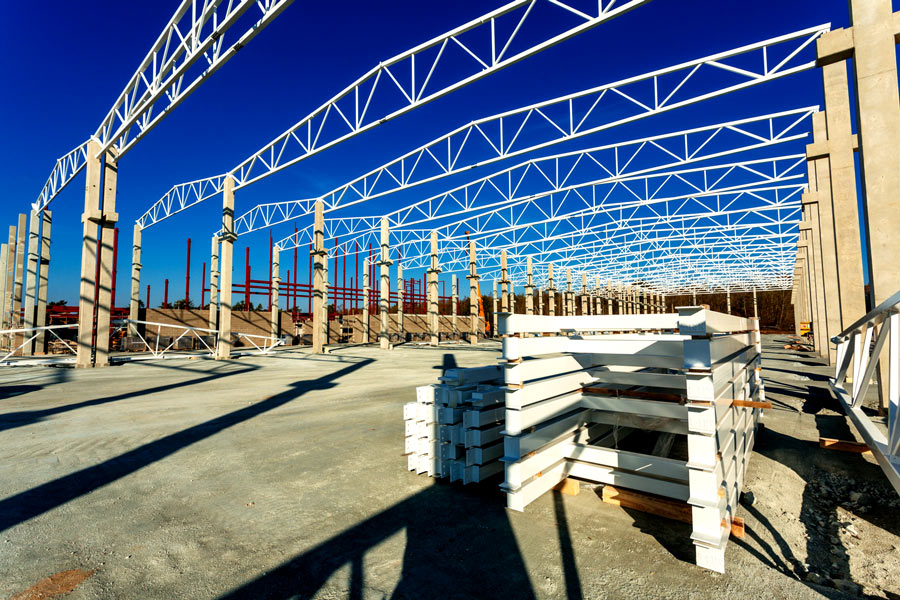
A structural steel frame is a framework of vertical columns and horizontal beams made from steel that supports the entire load of a building. The connections between these elements create a rigid, stable structure capable of withstanding heavy loads, environmental forces, and long-term use.
Unlike traditional construction materials such as wood or concrete, structural steel is manufactured under strict quality controls, ensuring consistent performance and reliability. Its versatility makes it suitable for projects ranging from small commercial buildings to massive industrial complexes.
Key Benefits of Structural Steel Frames
1. Exceptional Strength-to-Weight Ratio
Steel is stronger than most construction materials, yet it is relatively lightweight. This makes it ideal for building tall skyscrapers, long-span bridges, and expansive warehouses without requiring bulky support structures.
2. Durability and Longevity
Structural steel frames are resistant to pests, rot, and many forms of environmental damage. With proper maintenance, steel structures can last for decades—even centuries—while retaining their structural integrity.
3. Design Flexibility
Architects appreciate the flexibility of steel. Its ability to be shaped, curved, and fabricated into various forms allows for creative, modern designs. Whether it’s sleek glass-covered towers or innovative stadiums, structural steel makes architectural visions possible.
4. Faster Construction
Prefabricated steel components can be manufactured off-site and assembled quickly on-site. This reduces construction time, labor costs, and disruptions—key advantages in today’s fast-paced building industry.
5. Sustainability
Steel is one of the most recycled materials in the world. Structural steel can be reused without losing strength or quality, making it an eco-friendly choice for sustainable construction.
6. Cost-Effectiveness
Although the initial cost of steel can be higher than some materials, its durability, reduced maintenance, and faster installation often make it more cost-effective over the long term.
Applications of Structural Steel Frames
Commercial Buildings
Steel framing is widely used in office towers, retail complexes, and warehouses. Its ability to support wide, open spaces without interior columns makes it ideal for flexible floor layouts.
Industrial Facilities
Factories, plants, and distribution centers often rely on steel frames due to their strength and ability to accommodate heavy machinery and equipment.
Residential Buildings
While less common than wood, structural steel is increasingly being used in modern residential projects, especially for luxury homes and multi-story apartments where strength and fire resistance are priorities.
Bridges and Infrastructure
From pedestrian bridges to massive highway overpasses, steel frames provide the load-bearing capacity and resilience needed for critical infrastructure.
Sports and Entertainment Venues
Stadiums and arenas benefit from steel’s ability to span wide distances without intermediate supports, creating unobstructed views for spectators.
Comparing Steel Frames to Other Materials
- Steel vs. Wood: While wood is more affordable initially, it lacks the strength, durability, and fire resistance of steel. Steel is also immune to termites and pests.
- Steel vs. Concrete: Concrete is strong in compression but weak in tension, often requiring steel reinforcement. Structural steel offers greater design flexibility and faster construction.
- Steel vs. Composite Materials: In many cases, steel is combined with concrete to form composite frames, taking advantage of both materials’ strengths.
Innovations in Structural Steel
Advancements in technology have made structural steel frames even more effective:
- High-Strength Alloys: Modern steel alloys enhance load-bearing capabilities.
- Fire-Resistant Coatings: Protective coatings improve safety in case of fire.
- 3D Modeling and BIM: Building Information Modeling (BIM) allows precise planning and integration of steel components, reducing errors and waste.
- Prefabrication: Increased use of prefabricated steel modules accelerates timelines and reduces costs.
Maintenance and Care
While structural steel frames are durable, they still require routine maintenance to ensure longevity:
- Inspection: Regular checks for corrosion, fatigue, or damage.
- Protective Coatings: Applying paint or galvanization helps prevent rust.
- Structural Upgrades: Retrofitting may be needed to meet updated building codes or extend a structure’s lifespan.
Structural steel frames are a cornerstone of modern construction. Their strength, versatility, and sustainability make them an ideal choice for projects of all sizes, from small homes to monumental skyscrapers. By reducing construction time, offering design freedom, and providing long-lasting durability, steel framing remains a trusted solution for architects, engineers, and builders worldwide.
As technology and sustainability continue to shape the future of construction, structural steel will play an even greater role in creating safe, efficient, and innovative buildings. For anyone considering a construction project, understanding the benefits of structural steel frames ensures informed decisions that stand the test of time.
