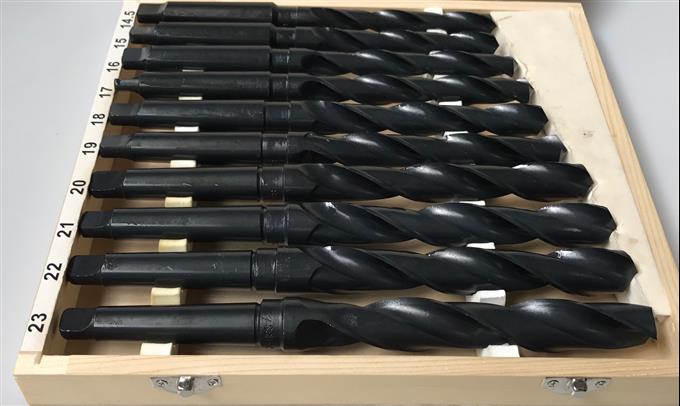
In the world of machining and metalworking, precision is everything. Every component, hole, and cut must meet exact specifications to ensure product quality and performance. Among the wide range of cutting tools used in industries such as manufacturing, automotive, and construction, the taper shank drill stands out as a reliable and efficient choice for heavy-duty drilling operations.
Known for its robust design and exceptional grip, a taper shank drill offers superior alignment, torque transmission, and stability — making it indispensable for professionals who demand accuracy and durability in their tools.
This article explores the design, function, advantages, and applications of taper shank drills, helping you understand why they are a cornerstone of industrial drilling operations worldwide.
What Is a Taper Shank Drill?
A taper shank drill is a cutting tool designed with a conical shank that fits into the matching tapered hole of a drill press spindle or sleeve. Unlike straight shank drills, which rely on chucks for clamping, taper shank drills use a self-holding taper to secure themselves in the machine spindle.
The most common standard for these tools is the Morse Taper (MT), which has been widely adopted across the industry for its reliability and simplicity. Depending on the size of the drill, taper shanks are classified into Morse Taper numbers ranging from MT1 to MT6 — with larger numbers representing larger diameters.
In essence, the taper shank design eliminates the need for additional clamping mechanisms, providing a direct and rigid connection between the drill and spindle.
How the Taper Shank Drill Works
The taper shank drill operates through a friction-fit mechanism. When the tapered shank is inserted into the machine spindle’s corresponding taper socket, the contact surfaces create a secure fit due to friction and slight deformation under pressure.
When the drill begins to rotate, the taper joint transmits torque efficiently without slipping. The greater the load or torque, the tighter the fit becomes — ensuring maximum stability during operation.
After drilling, the tool can be easily removed using a drift key or knockout wedge, which dislodges the drill by applying gentle pressure through a slot in the spindle.
Construction and Design Features
A taper shank drill consists of three main parts:
- The Point – The cutting end, which includes the chisel edge and lips responsible for material removal.
- The Body – The fluted section that channels chips away from the hole and allows coolant flow.
- The Shank – The tapered end that fits into the spindle for mounting.
Key Design Characteristics:
- Flute Geometry: Typically, taper shank drills have two helical flutes designed for efficient chip removal and cooling.
- Helix Angle: Optimized for the material being drilled (higher helix angles for softer materials, lower for harder metals).
- Material: Made from High-Speed Steel (HSS), Cobalt alloys, or Carbide, depending on the cutting conditions and workpiece material.
- Surface Treatment: Many drills feature coatings like TiN (Titanium Nitride) or TiAlN (Titanium Aluminum Nitride) to enhance wear resistance and prolong tool life.
The design of the taper shank drill ensures it can handle high torque loads without slippage, making it ideal for heavy-duty applications.
Advantages of Taper Shank Drills
1. Superior Grip and Torque Transmission
The self-locking taper provides an extremely secure fit between the tool and spindle, enabling the transmission of high torque loads without slipping or loosening — essential for large-diameter drilling.
2. High Accuracy and Concentricity
Because the taper shank drill seats directly into the machine’s spindle taper, it maintains excellent alignment. This results in precise, round holes with minimal runout or vibration.
3. Quick Tool Changes
Taper shank drills are easy to mount and remove, saving valuable setup time in production environments. A simple drift key allows fast tool release without damaging the spindle or the drill.
4. Durability and Strength
Made from hardened tool steel or HSS, these drills are built to withstand the high mechanical stresses and temperatures generated during continuous drilling operations.
5. Reduced Maintenance and Downtime
With fewer clamping components and a secure self-holding fit, taper shank drills reduce maintenance requirements and minimize machine downtime.
6. Versatile Compatibility
Adapters and sleeves make it possible to use taper shank drills with a wide variety of machines, from small drill presses to large industrial boring mills.
Common Applications of Taper Shank Drills
Taper shank drills are used across a variety of industries where high precision and reliability are critical.
1. Metalworking and Manufacturing
They are widely used for drilling holes in steel, aluminum, cast iron, and other metals. Machine shops and manufacturing plants rely on them for precision component fabrication.
2. Automotive and Aerospace
In sectors that demand tight tolerances, taper shank drills are used for creating engine blocks, chassis components, and aircraft parts. Their rigidity ensures consistent hole quality in high-strength alloys.
3. Construction and Fabrication
From structural steel fabrication to heavy equipment maintenance, taper shank drills deliver the torque and stability required for tough materials.
4. Maintenance, Repair, and Overhaul (MRO)
Industrial maintenance teams often use taper shank drills for on-site repairs, reaming, and redrilling of worn-out holes.
5. Woodworking and Plastics
While more common in metal applications, smaller taper shank drills are also used for drilling hardwoods and reinforced plastics, especially when high torque is needed.
Selecting the Right Taper Shank Drill
Choosing the correct taper shank drill involves understanding the material, hole size, and machine type. Here are key factors to consider:
1. Material of the Drill
- High-Speed Steel (HSS): Ideal for general-purpose drilling in mild steel and non-ferrous metals.
- Cobalt HSS (M35/M42): Better heat resistance for drilling stainless steel and tougher alloys.
- Carbide-Tipped: Suitable for high-speed operations and abrasive materials.
2. Morse Taper Size
Ensure compatibility with your machine spindle or sleeve. Common tapers include MT1 through MT6, with larger tapers supporting bigger drill diameters.
3. Drill Diameter and Length
Select the appropriate size for your application. Longer drills may require slower speeds to maintain accuracy.
4. Coating and Finish
- Uncoated (Bright): For non-ferrous metals and general applications.
- TiN/TiAlN Coatings: Increase wear resistance and allow higher cutting speeds.
5. Cutting Speed and Feed Rate
Follow manufacturer recommendations for speed and feed settings to prevent overheating or tool wear.
Proper Usage and Maintenance Tips
To maximize tool life and ensure safety, follow these best practices when using taper shank drills:
- Inspect Before Use: Check the taper surface for dirt, burrs, or damage. Clean thoroughly to ensure a tight fit.
- Use Proper Lubrication: Apply cutting fluid suitable for the material to reduce heat and friction.
- Avoid Overloading: Use the correct speed and feed to prevent tool breakage.
- Regularly Regrind Cutting Edges: Dull drills produce heat and poor-quality holes. Regrinding restores performance.
- Store Properly: Keep drills in protective sleeves or racks to prevent damage to the tapered shank or cutting edge.
The Future of Taper Shank Drills in Modern Industry
As CNC technology and precision machining evolve, taper shank drills continue to play a vital role. Many manufacturers are integrating modular tool systems that combine taper shanks with quick-change mechanisms for enhanced flexibility.
Additionally, advancements in material science — such as nanocomposite coatings and powder metallurgy steels — are extending tool life and performance under extreme conditions.
Despite technological changes, the core principles of the taper shank drill remain unchanged: strength, precision, and simplicity. Its time-tested design continues to meet the demanding needs of modern manufacturing.
Final Thoughts
The taper shank drill is more than just a cutting tool — it’s a symbol of engineering efficiency and precision. Its self-holding design, high torque transmission, and unmatched durability make it a trusted choice across countless industries.
From heavy-duty industrial operations to precision component manufacturing, taper shank drills deliver performance that professionals can rely on. By choosing the right drill, maintaining it properly, and understanding its capabilities, machinists and engineers can achieve superior accuracy, efficiency, and productivity.
In an age where technology continues to evolve, the taper shank drill remains a timeless and essential tool — proving that true engineering excellence never goes out of style.
